Greater celandine is highly toxic for dogs
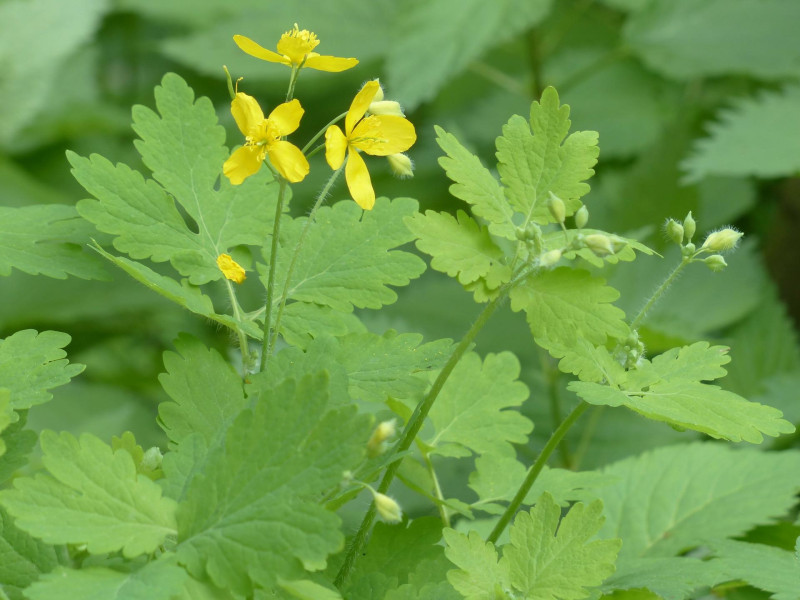
Chelidonium majus 

Poisoning in dogs can occur after ingesting even small amounts of greater celandine. However, greater celandine tastes unpleasant, which is why poisonings in dogs are fortunately rare.
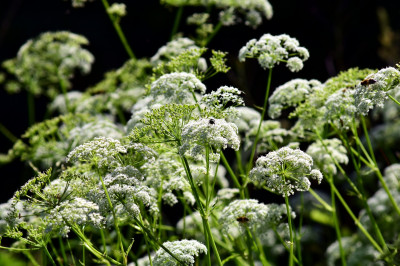
Greater celandine grows all over Europe and is mostly found along roadsides, on rubble sites, but also in gardens. The stems of the greater celandine are hollow and covered with small hairs. The leaves are pinnate at the edges and consist of several individual leaves.
The flowers are bright yellow and usually consist of several small umbels. Greater celandine can reach a height of up to 80cm.
Greater celandine is also used as a medicinal plant and is known for its antispasmodic effect. At the same time, it is used for liver disorders and inflammatory stomach and intestinal diseases.
What should I do if my dog ate Greater celandine?
How toxic is Greater celandine?
| Toxicity: | (highly toxic) |
| Toxic parts: | All parts of the greater celandine are poisonous, but especially the pale milky sap, which can be found in all parts of the plant. |
| Toxic time: | - |
| Antidote: | Unknown |
If your dog shows symptoms of poisoning, it is always an emergency! Time is critical for your dog's life. You should immediately call your vet or the animal emergency services and make sure that a vet is on site and then go there immediately. For the treatment, it helps the vet a lot to know what your dog has ingested.
Occurrence Greater celandine
| Plant species: | Garden and wild plant |
| Occurrence: | Gardens, Bushes, Forests, Meadows |
| Areas: | Europe |
| Flowering time: | spring, summer, autumn |
| Fruit ripening: | - |
Symptoms
The following poisoning symptoms may result in dogs from ingesting greater celandine:
- increased urge to urinate
- faintness, drop in blood pressure
- Stomach and intestinal complaints
- increased salivation
- nausea
- abdominal pain
- diarrhoea
- vomiting
- cardiac arrhythmia, slowed heartbeat
- cramps
- shock
- death
Treatment
The vet will always try to remove the ingested poison from the body and alleviate the specific symptoms of poisoning.
There are different methods to remove the poison from the body:
1. ACTIVATED CHARCOAL: Activated charcoal can absorb toxins. If possible, it should be administered within 2 hours after ingestion of the poison, so that the toxin does not enter the bloodstream.
2. LAXATIVES: The vet may combine the administration of activated charcoal with a laxative.
3. VOMITING: The vet can also induce vomiting using medication to remove the toxin from the body.
If the dog has respiratory difficulties, the vet will consider artificial respiration to maintain breathing. In addition, the vet may give infusions and medication to stabilise the heart and against muscle spasms.
More information on dog poisonings can be found here:
Preventing, identifying and treating poisoning in dogs
Further poisonous plants from A to Z



DigiDogs in other languages and countries DeutschlandGreat BritainUnited StatesPolska
Copyright © 2023 DigiDogs, unless otherwise noted. All rights reserved.
Über uns -
Imprint -
Privacy Policy