Primrose is slightly toxic for dogs
Primula vulgaris, Primula obconica 

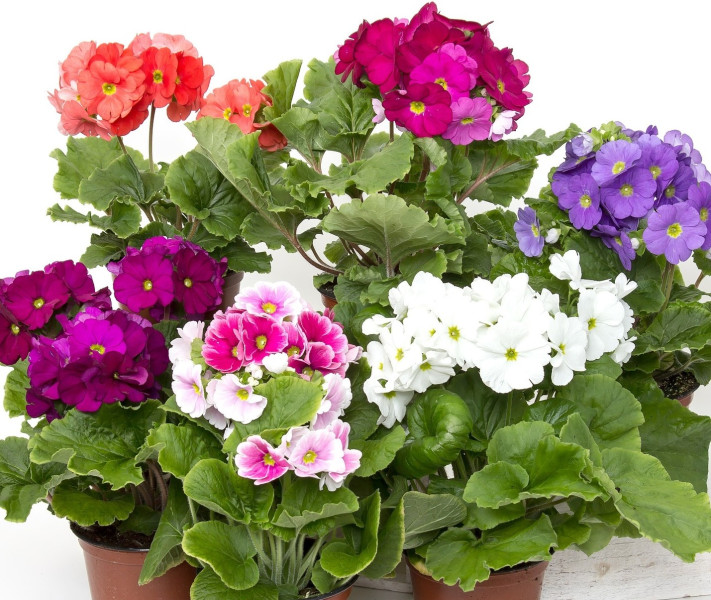
Primroses are perennial, deciduous small flowering plants. Because of their colourful flowers, they are popular as heralds of spring. The flowers can come in almost any colour, from white to yellow, pink, red and dark purple.
There are many different varieties of primrose. Most primroses blossom in spring.
All parts of the primrose are mildly toxic for dogs. Primroses contain the toxin primin.
Primrose is also known as:
- common primrose
- English primrose
What should I do if my dog ate Primrose?
How toxic is Primrose?
| Toxicity: | (slightly toxic) |
| Toxic parts: | All parts of the primrose are mildly toxic. |
| Toxic time: | - |
| Antidote: | Unknown |
If your dog shows symptoms of poisoning, it is always an emergency! Time is critical for your dog's life. You should immediately call your vet or the animal emergency services and make sure that a vet is on site and then go there immediately. For the treatment, it helps the vet a lot to know what your dog has ingested.
Occurrence Primrose
| Plant species: | flower, perennial |
| Occurrence: | Gardens, Bucket, Indoor |
| Areas: | Central Europe, Northern Europe, North America |
| Flowering time: | winter, spring |
| Fruit ripening: | - |
Symptoms
The following symptoms may occur when coming into contact with or eating primroses:
- In case of skin contact:
- blisters, erythema, inflammation of the affected skin area
- When ingested:
- nausea and vomiting
- diarrhoea
- abdominal pain
- irritation and redness of the mucous membranes of the mouth
Treatment
If your dog has eaten parts of the primrose or shows symptoms, this is a case for the vet. The vet can treat the symptoms accordingly.
Further poisonous plants from A to Z



DigiDogs in other languages and countries DeutschlandGreat BritainUnited StatesPolska
Copyright © 2023 DigiDogs, unless otherwise noted. All rights reserved.
Über uns -
Imprint -
Privacy Policy